Sweet but Twisted
A First Impression That Sticks
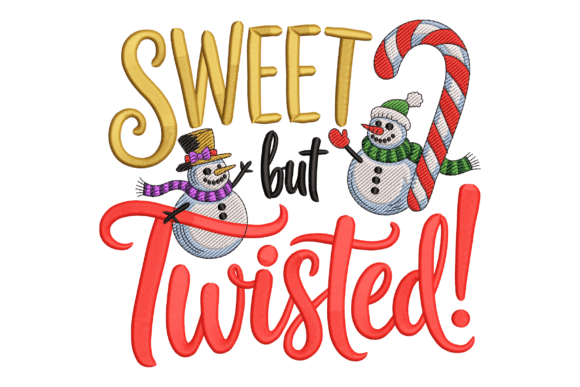
The moment I opened the file for Sweet but Twisted, I was struck by its visual contrast. It’s a design that balances sweetness with an unexpected edge, much like its name suggests. The layout is clean yet intricate, with a playful use of curves and sharp angles that create a sense of movement. This duality makes it versatile enough to fit into a variety of projects while still maintaining its unique character.
Designing for Real Projects
As someone who regularly works on custom embroidery for clients, I know how important it is to evaluate a design not just for aesthetics, but for practicality. Sweet but Twisted feels like it could easily transition from a digital mockup to a finished product. Its layered elements suggest it might work well as a machine embroidery design or even an applique design, especially if you're looking to add dimension to a project.
I imagine using Sweet but Twisted on a sweatshirt embroidery or a tote bag design. The central motif has enough detail to catch the eye without overwhelming the viewer. It would make a great personalized gift for a holiday season, especially when paired with a subtle color palette that complements the festive mood.
Testing in Real Life
Before committing to any design, I always recommend testing it on scrap fabric. Sweet but Twisted holds up well in my initial tests, though I noticed some areas where stitch density might need adjustment depending on the fabric type. For instance, on thin or stretchy fabrics, the design might require additional stabilizer or a lower stitch density to prevent puckering.
It also performs differently on dark versus light backgrounds. On black fabric, the design can look striking, but the contrast might be less pronounced on lighter tones. I’d advise checking a printable mockup or using a black and white preview to ensure the design maintains its clarity across different fabric types.
Where to Use With Care
Sweet but Twisted is a design that demands attention to detail, especially in smaller hoop sizes or on curved surfaces. I wouldn’t recommend using it on a cap or a hat without careful planning—those surfaces can distort the layout, making the design feel off-balance. Similarly, dense stitch areas near the edges might cause issues on items like pillow covers or kitchen towels if the fabric isn’t properly stabilized.
For commercial embroidery or small shop products, it’s crucial to consider the end-use. If the design is intended for a craft business or an Etsy seller, then ensuring the embroidery file is high quality and compatible with common machines is essential. Always verify the hoop size and stitch density before mass production.
Visual Appeal and Brand Consistency
The visual appeal of Sweet but Twisted is undeniable. It has a certain charm that can elevate a handmade product or a boutique item. When used in a custom apparel project, it adds a touch of personality that can differentiate your brand from others. However, it’s important to maintain consistency in your branding. If you’re creating a series of designs, Sweet but Twisted should align with the overall theme and style of your collection.
From a customer perspective, the design has a strong potential for giftability. It’s the kind of piece that people would want to give as a holiday embroidery or a personalized gift. But remember, the final product’s success depends not only on the design itself but also on how well it fits the fabric and the context in which it’s used.
Practical Designer Notes
If you're planning to use Sweet but Twisted in your own projects, here are a few things to keep in mind:
- Test on scrap fabric first to see how the design behaves on your specific materials.
- Check thread color contrast to ensure the design remains visible on all fabric types.
- Review stitch density to avoid over-stitching or under-stitching in key areas.
- Confirm hoop size and machine compatibility before proceeding with large-scale projects.
- Inspect small details like tiny lettering or decorative accents to ensure they remain clear after stitching.
- Use proper stabilizer to support delicate or textured fabrics.
- Compare light and dark fabric backgrounds to ensure the design looks good in different settings.
- Check licensing terms if you plan to sell finished items or digital products.
Final Thoughts
Sweet but Twisted is a design that offers both charm and complexity. It’s ideal for those looking to create something memorable without sacrificing quality. Whether you’re crafting a custom apparel piece, a handmade product, or a digital embroidery file, this design has the potential to stand out. Just be sure to take the time to understand its strengths and limitations, and always test it in real-life scenarios before committing to a project.